


Pakistan is currently dealing with crises in Khyber Pakhtunkhwa and Balochistan, with the Army Chief, Field Marshal Asim Munir, acknowledging a state of war with Afghanistan. The Chief of Defence Forces had previously expressed intentions to address issues with Baloch fighters, but the situation has worsened over time. Baloch fighters, despite facing significant military force from Pakistan, continue their resistance against what they perceive as illegal occupation.
The ongoing conflict in Balochistan stems from a desire for independence among Baloch fighters, who remain committed to liberating their land and people. Pakistan’s intelligence agencies have struggled to prevent large-scale attacks orchestrated by these fighters, highlighting the complexity of the situation. The Baloch freedom struggle dates back to 1948, with a persistent determination to achieve independence despite past threats from Pakistani authorities.
Field Marshal Munir’s approach of using military force and intimidation tactics has not yielded the desired results in addressing the Balochistan issue. Recent reports indicate a rise in attacks and fatalities in the region, posing a challenge to the Army Chief’s leadership. Additionally, the situation in Khyber Pakhtunkhwa remains unresolved, with external factors like the Indus Water Treaty adding to the complexities faced by Pakistan’s military leadership.
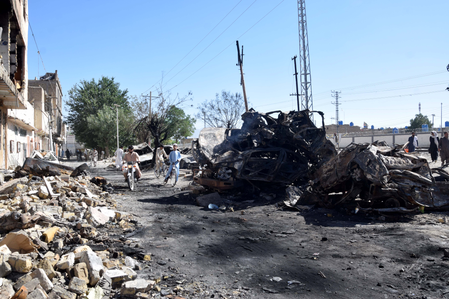
The Baloch Liberation Army recently claimed responsibility for an attack on a Pakistani military convoy in Mastung district, resulting in casualties among security personnel. The armed group’s spokesperson described the operation as coordinated and intense, signaling ongoing tensions in the region. The conflict in Balochistan underscores the persistent challenges faced by Pakistan’s security forces in maintaining control and stability in the area.
