


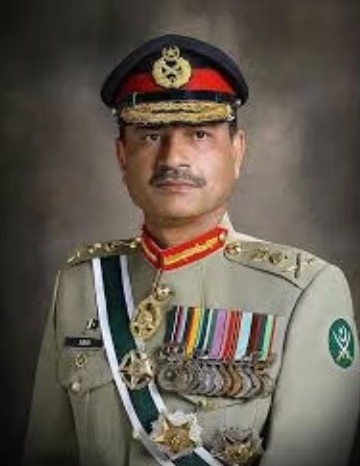
The year witnessed Pakistan Army Chief Asim Munir consolidating significant authority over the civilian government without resorting to a physical coup, reshaping constitutional arrangements and foreign ties. Despite rising to a Field Marshal position without battlefield valor, internal security and the economy of Pakistan faced deepening challenges. Balochistan experienced insurgent attacks, while tensions in Pakistan-Occupied Jammu and Kashmir and clashes in Khyber Pakhtunkhwa strained security services.
The Afghan border added to instability, with trade halted since the Taliban’s attack in October. Pakistan Tehreek-e-Insaf party protested against its leader’s imprisonment, complicating counterterrorism efforts. Pakistan’s economy struggled with stagnant growth, currency fluctuations, and external financing constraints, limiting service delivery and public discontent. Analysts warn of prioritizing security spending over reforms needed for investment and job creation.
The ambitious China-Pakistan Economic Corridor project has left Islamabad facing economic, security, and environmental hurdles, with significant debt repayments looming. Foreign policy oscillated between the US for security and China for infrastructure, fueling regional strategic uncertainty. General Asim Munir’s rapid rise to a powerful security role centralized command over defense forces, drawing criticism for unchecked power concentration.
The 27th Amendment, termed a “constitutional coup,” restructured command structures and limited civilian oversight, granting military leadership broad immunity. Operation Sindoor witnessed army installations destroyed in a cross-border confrontation, highlighting ongoing challenges. As Pakistan faces rebuilding its terror network, concerns persist over future stability and security.
