


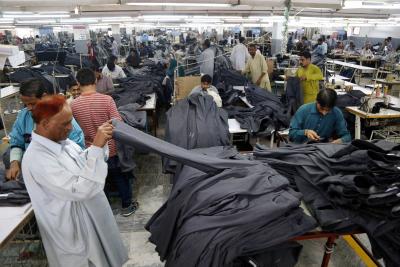
The Pakistan Business Forum (PBF) has revealed that the cost of doing business in Pakistan is 34% higher than in similar regional economies. This cost disparity is impacting Pakistani exporters’ competitiveness in global markets crucial for their survival. Despite a global trade recovery, Pakistan’s exports have stagnated since 2022, as noted by the Business Recorder in Karachi.
Regional competitors like India, Bangladesh, and Vietnam have gained market share due to lower costs, stable policies, and predictable business environments. In contrast, Pakistan’s industrial competitiveness has been undermined by rising costs resulting from policy choices.
One of the major challenges is high energy pricing in Pakistan. Electricity and gas tariffs for industries are notably higher than regional standards, driven by inefficiencies and misaligned subsidies. These elevated energy costs directly inflate unit costs for export-oriented businesses, making them less competitive in bidding for contracts.
Tax policies in Pakistan have worsened the situation by burdening a limited group of documented businesses with revenue collection. Instead of broadening the tax base, policies have increased effective rates and indirect levies, raising costs across the supply chain. This approach hampers formal production, weakens competitiveness, and fails to address structural issues.
The cotton sector exemplifies the consequences of these policies. More than 400 cotton ginning factories have shut down, disrupting the textile industry’s value chain. This closure has led to reduced demand for farmers, operational challenges for ginners, and increased reliance on imported cotton by textile manufacturers, straining foreign exchange reserves.
