


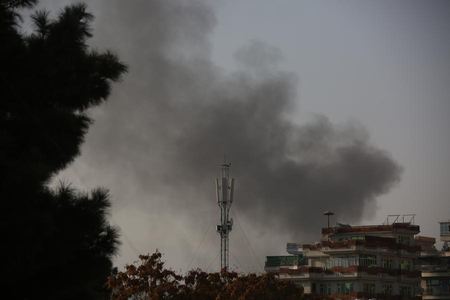
Pakistan’s security forces conducted military strikes along the Afghanistan border, including ground operations and airstrikes deeper inside the country. The attacks were reportedly aimed at militants in response to cross-border incidents. However, the Afghan government claimed that the strikes resulted in numerous civilian casualties, including women and children.
Since October 2025, Pakistan has intensified its military campaign against Afghanistan, targeting various cities in what it describes as counterterrorism operations against Tehrik-e-Taliban Pakistan (TTP) insurgents. The Taliban-led government in Kabul has criticized these actions, labeling them as violations of sovereignty and attributing civilian casualties to Pakistan’s military operations.
Border clashes in regions like Khyber Pakhtunkhwa, Bajaur, Kurram, and Balochistan have led to multiple fatalities. The closures of key crossings such as Torkham and Chaman have disrupted trade and humanitarian activities for approximately eight months. Despite a brief ceasefire brokered by Qatar and Turkey, Pakistan declared an “open war” against Afghanistan by February this year, escalating tensions in the region.
Pakistan’s military dominance has been reinforced through the 27th Constitutional Amendment, 2025, which bolstered the role of the army chief while marginalizing civilian institutions. The country is grappling with economic challenges, with poverty rates at 42 percent and stalled negotiations with the International Monetary Fund (IMF) for a bailout. Islamabad is seeking assistance from China and the United States to address its economic woes.
