


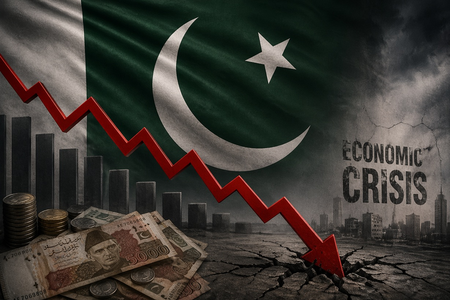
Pakistan is expected to encounter increased macroeconomic pressure due to a rise in global debt levels, signaling heightened vulnerabilities for emerging economies. The surge in overall debt, particularly in major advanced economies, poses challenges for nations reliant on external financing and susceptible to fluctuating commodity markets. This situation complicates Pakistan’s recovery efforts, given its dependence on external funding and exposure to global commodity price fluctuations.
The report also points out that persistent inflation, reliance on energy imports, and tightening global liquidity conditions are limiting Pakistan’s policy flexibility. Moreover, escalating global oil prices due to geopolitical tensions pose additional risks for energy-importing economies like Pakistan. These higher fuel costs are likely to escalate inflation in various sectors, increasing financial pressure on households already grappling with rising living expenses.
While advanced economies continue to borrow extensively with minimal market disruptions, emerging markets such as Pakistan face higher refinancing expenses, stricter external financial constraints, and greater vulnerability to capital flow fluctuations. This disparity underscores a structural imbalance in the global financial system, where large economies can sustain debt accumulation for longer periods, unlike smaller economies that face rapid adjustment challenges during tightening external conditions.
Pakistan’s ongoing stabilization efforts are closely linked to external financial inflows and international assistance, making its economy sensitive to shifts in global risk perceptions and commodity price cycles.
