


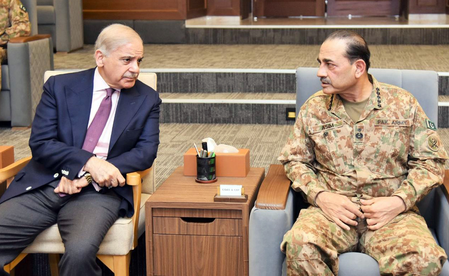
Pakistan finds itself in a delicate position as the US and Iran engage in hostilities, affecting the Persian Gulf region. Islamabad’s concerns include safeguarding energy imports, border security with Iran, managing sectarian tensions, and potentially mediating in the conflict. Despite historically maintaining neutrality, Pakistan’s alliance with Saudi Arabia and regional dynamics are pushing it closer to direct involvement in the escalating tensions.
Such developments challenge Pakistan’s traditional role as a mediator between the US and Iran. The country’s strategic defense pact with Saudi Arabia has led to the deployment of Pakistani troops and fighter jets in the region, raising the risk of being drawn into the conflict. Balancing its relationships with Iran and Saudi Arabia is crucial for Pakistan’s stability and regional security.
The security landscape in the Middle East poses a significant threat to Pakistan’s interests, given its proximity to Iran and deep ties with Saudi Arabia. The escalating US-Iran conflict and retaliatory actions increase the risk of Pakistan being pulled into the crossfire. Islamabad faces a critical dilemma in honoring its defense commitments while avoiding destabilizing its internal security and jeopardizing its economic ties with Gulf nations.
Pakistan’s leadership is grappling with existential decisions amid escalating tensions. The country’s choices could have far-reaching consequences, impacting its domestic stability, regional alliances, and long-term security outlook. As Pakistan navigates this geopolitical minefield, the need for diplomatic finesse and strategic decision-making becomes increasingly paramount.
