


Signals of discord within the Pakistan establishment have surfaced regarding the resurgence of terror groups and shifts in leadership. Field Marshal and Army Chief Asim Munir has expressed dissatisfaction with the functioning of the ISI, seeking accountability for the mysterious killings of terrorists in Pakistan since 2023. Notably, concerns have been raised over the Intelligence’s handling of groups like Tehreek-e-Taliban Pakistan and Balochistan Liberation Army.
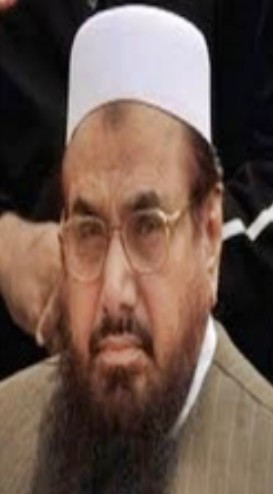
The Lashkar-e-Taiba, a favored proxy of Pakistan, is experiencing a significant internal rift, primarily centered around leadership issues. Questions have been raised within the group regarding the effectiveness of Hafiz Saeed’s leadership, with calls for a younger leader to take charge. Saifullah Kasuri, the current second-in-command, advocates for a leadership change, challenging Saeed’s position at the helm.
Tensions within the Lashkar-e-Taiba have been brewing for nearly two years, with recent events like ‘Operation Sindoor’ by the Indian armed forces exacerbating the situation. The operation, conducted in response to a terror attack, prompted further scrutiny of the establishment and its leadership. While some support Kasuri’s bid for leadership, longstanding members are reluctant to let go of Hafiz Saeed, leading to a divide within the group.
Despite facing setbacks like the loss of its primary training facility, the Lashkar-e-Taiba remains divided over the leadership issue. While the Army favors Kasuri to lead the group, the ISI stands by Hafiz Saeed, citing his loyalty and experience. The ongoing rift, primarily driven by the leadership dispute, underscores broader disagreements on strategic focus and response to evolving challenges.
