


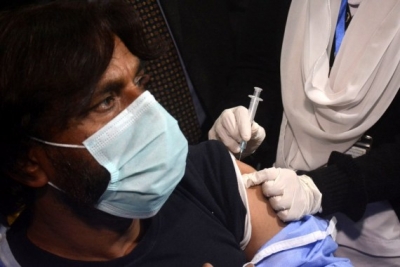
Pakistan is experiencing a critical shortage of essential medicines due to disruptions in the Middle East conflict, hindering the import of pharmaceutical raw materials and vital supplies. The country’s current supply of pharmaceutical raw materials can only last for about one-and-a-half months, as reported by The Express Tribune. The conflict involving Iran, Israel, and the United States has resulted in the suspension of international flights, impacting Pakistan’s ability to bring in life-saving medicines, pharmaceutical ingredients, and baby formula.
The scarcity of medicines could have severe repercussions for ordinary Pakistanis who are already struggling with high inflation and costly healthcare. Patients with chronic conditions like cancer, diabetes, and heart disease may face heightened vulnerability if shortages lead to price surges or limited availability. Many of these patients rely on the country’s public healthcare system for treatment.
Furthermore, the disruption in the supply chain could also affect infant nutrition, particularly as baby formula is predominantly imported. Prolonged disruptions may lead to reduced supplies, posing a threat to infant health. The report highlights Pakistan’s historical reliance on imported pharmaceutical ingredients, a concern raised by health experts in the past, especially during the COVID-19 pandemic.
Experts had previously cautioned about the country’s limited capacity to domestically produce active pharmaceutical ingredients and the risks associated with heavy dependence on cheaper imports. Despite these warnings, little progress has been made in enhancing local production capabilities, leaving the nation vulnerable to global supply interruptions. The report emphasizes the importance of developing domestic manufacturing capabilities to mitigate risks associated with short-term import solutions.
It calls upon the government to prioritize pharmaceutical self-reliance as a national security issue and suggests measures such as offering tax incentives for local raw material production, investing in pharmaceutical infrastructure, and establishing emergency stockpiling mechanisms. Without these interventions, prolonged disruptions in global supply chains could significantly impact access to life-saving medicines for millions of people in Pakistan.
