


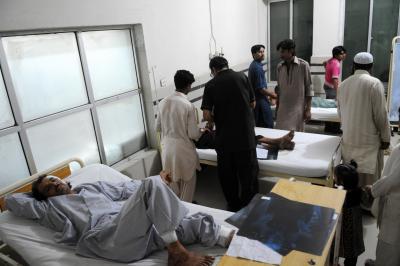
Pakistan faced a severe blow to its global reputation after 331 children were infected with HIV at a government hospital in Punjab province. The use of the same syringe for multiple vaccinations not only revealed negligence but also exposed systemic weaknesses in safeguarding human life. This incident has sparked questions about the nation’s priorities and the effectiveness of its healthcare system.
The report highlighted that the infection of these children goes beyond a mere medical error, emphasizing a deeper issue within the healthcare system. It pointed out that administering injections to multiple children with a single syringe indicates a lack of awareness or a disregard for health protocols, posing significant risks to public health. The crisis underscores the consequences of neglecting fundamental safety measures.
The situation in Pakistan reflects a broader failure of the system to protect its citizens, with the report calling for stronger oversight and accountability. It warned that without timely reforms, such incidents may recur, highlighting the need for comprehensive changes to prevent similar tragedies in the future. The report also raised concerns about resource allocation, questioning whether critical sectors like healthcare receive adequate attention amidst competing priorities.
Pakistan’s challenges are exacerbated by poverty and social injustices, forcing vulnerable populations to rely on a failing system for essential services. The report underscored the need for addressing systemic issues beyond individual hospitals or staff members, emphasizing the importance of ensuring basic safety measures for all citizens. The incident serves as a stark reminder of the consequences of neglecting healthcare and the urgent need for reforms in the country’s healthcare system.
