


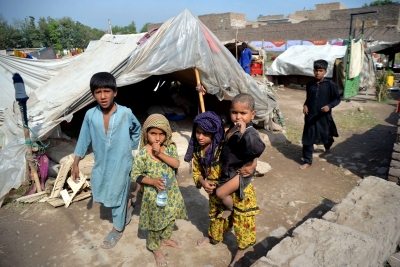
Despite rising poverty and unemployment in Pakistan, the country’s 2025–26 budget has seen a more than 20% increase in defence spending to Rs 2.55 trillion ($9 billion). This surge in military expenditure comes as overall federal spending, including welfare measures, has been reduced by 7%. The Hangor programme, valued at $4–5 billion, stands out as one of Pakistan’s costliest military collaborations.
Austerity measures mandated by the IMF have worsened socioeconomic gaps, particularly affecting lower-income segments. The country’s governance system faces a critical question on whether defence and social spending should be mutually exclusive. With a low tax-to-GDP ratio compared to regional peers, the budget’s allocation choices are being scrutinized.
Calls for enhanced accountability in defence procurement are growing within Pakistan’s economic and civil society circles. The allocation of substantial funds for defence, especially under external financial support, is being questioned for transparency and oversight. The fiscal trade-offs between defence expenditure and human development are seen as a potential threat to regional stability.
