


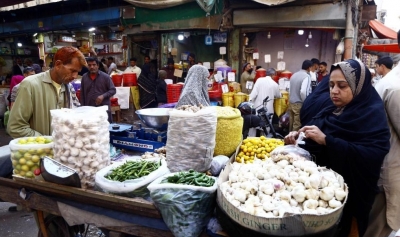
Pakistani households are facing significant financial challenges, with nearly two-thirds of their income being spent on food and electricity. The economy is no longer focused on growth but on basic survival, according to a recent report. The Pakistan Bureau of Statistics’ Household Integrated Economic Survey highlighted that essential expenses like food and housing now consume 63% of total household spending.
The report emphasized that despite nominal income increases over the past six years, rising prices have outpaced these gains. As a result, families are finding it harder to make ends meet. The declining purchasing power of the Pakistani rupee is evident in the reduced spending on education, which now accounts for just 2.5% of household expenses.
Education and health spending have been significantly reduced, with households prioritizing basic needs over well-being and learning. The report warned that the current situation, where survival is the primary concern, is unsustainable in the long run. It called for urgent measures to stabilize food and power costs, address supply-side issues in food markets, and protect education and health budgets from economic shocks.
A separate report highlighted Pakistan’s looming economic challenges in 2026, including low economic growth, security threats, and climate change risks. The need for internal reforms to uplift the majority of the population living in poverty and combat high illiteracy rates was underscored. Pakistan, with over 40% of its population living in poverty and a significant illiteracy rate, faces a critical need for reforms and improvements.
