


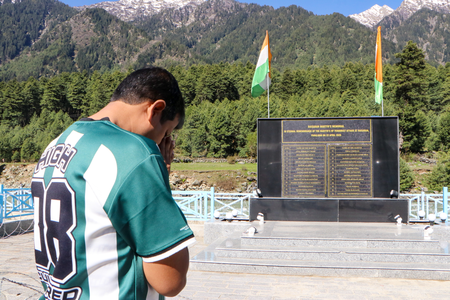
Pakistan’s decision to block any reference to The Resistance Front (TRF), a group linked to Lashkar-e-Taiba, in a UN Security Council statement after the Pahalgam attack is seen as an attempt to control terrorism rather than combat it. The attack, carried out by TRF, was a deliberate move to disrupt the perceived return to normalcy in Jammu and Kashmir, following a surge in tourism post the abrogation of Article 370 in 2019.
The calculated strike by TRF aimed not just to cause casualties but also to instill fear and uncertainty, leading to significant economic losses in the tourism sector. Armed with sophisticated weapons, the militants targeted civilians, particularly men, based on their religion, creating a sense of terror and religious supremacy. The report emphasizes that the attack was not a random act of violence but a well-planned demonstration of religious extremism.
The report also highlights Pakistan’s historical support for terrorist groups, with Defence Minister Khawaja Asif acknowledging the country’s role in backing such organizations for decades. This revelation sheds light on Pakistan’s involvement in promoting terrorism as a means to further its strategic interests. The global community is urged to address Pakistan’s role in sheltering individuals involved in terrorist activities and to adopt a firm stance against state-sponsored terrorism.
