


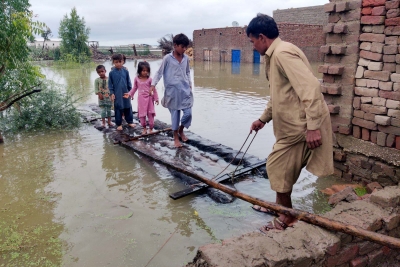
The environmental challenges in Pakistan, including floods, rising temperatures, droughts, and water stress, have highlighted institutional shortcomings, leaving vulnerable communities in cycles of destruction and recovery. The Breathe Pakistan climate conference emphasized the urgent need to address Pakistan’s environmental crisis, which has been exacerbated by reactive disaster management rather than proactive climate readiness. Recent floods have showcased Pakistan’s climate vulnerability, with millions affected and critical infrastructure damaged in various regions like Sindh, Balochistan, and Punjab.
International organizations like the UNDP and the World Bank have warned about Pakistan’s increasing exposure to climate disasters due to factors like rising temperatures and erratic monsoon patterns. However, there are significant gaps in climate adaptation planning and coordination among different provinces in Pakistan. The country’s climate crisis is further compounded by governance weaknesses that hinder preparedness and response efforts, with fragmented coordination between federal, provincial, and local authorities being a major obstacle.
The convergence of floods, heatwaves, droughts, water shortages, and pollution is putting immense pressure on Pakistan’s communities, infrastructure, and economy. Weak planning, governance fragmentation, and delayed implementation have intensified the country’s environmental vulnerabilities. Each new disaster reveals familiar failures in preparedness, institutional capacity, and the challenges faced by vulnerable populations. The gap between climate warnings and effective action continues to widen, leading to visible consequences such as destroyed homes, failing crops, and unsafe water supplies.
The Provincial Disaster Management Authority reported seven fatalities and 33 injuries in Khyber Pakhtunkhwa due to strong winds, lightning, and rainfall. The incidents, which occurred in places like Bannu, Shangla, and Mansehra, resulted in casualties from collapsed houses. These fatalities come after previous incidents of rain-related deaths and injuries in the region. The Pakistan Meteorological Department forecasts more rainfall in certain areas while others are expected to remain hot and dry.
