


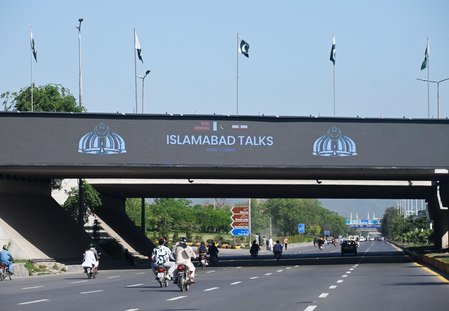
Pakistan is navigating a complex diplomatic landscape, showcasing conflicting roles in peace efforts while seeking economic aid. The country, historically more of a combatant than a peace mediator, is now making a diplomatic push, despite recent military actions against Afghanistan and documented support for terror networks targeting India. Questions arise over its neutrality as it engages in peace talks, with notable figures like US President Trump and Iran expressing skepticism.
Amidst these developments, former US National Security Advisor H.R. McMaster has raised concerns about Pakistan’s alignment with China and potential ulterior motives in its mediation endeavors. Despite efforts to court President Trump and strengthen ties with Riyadh, Pakistan’s neutrality is questioned, especially in light of its defense pact with Saudi Arabia, perceived as a threat by Tehran. Economic support from Riyadh aims to alleviate Pakistan’s financial challenges, but its deepening ties with countries involved in regional conflicts raise doubts about its impartiality.
While Pakistan portrays itself as a neutral facilitator committed to dialogue and stability, its actions have faced criticism and skepticism. Despite its role in brokering a fragile ceasefire in West Asia, Pakistan encounters resistance from Tehran and doubts from analysts regarding its ability to achieve lasting peace. The country’s involvement in regional dynamics, including the US-Iran relationship, continues to be scrutinized for potential biases and motives.
