


Pakistan is engaging in diplomatic efforts to help resolve the US-Iran conflict, not just for strategic reasons but also to address its economic challenges. Successful mediation could lower oil and gas price risks, alleviate pressure on the electricity sector, improve relations with Gulf states, and expand economic opportunities with Iran, as per a report on www.calcalistech.com.
The report highlights that Pakistan heavily relies on energy imports and its connections with Gulf states while operating under an IMF bailout program. With a $7 billion IMF program supporting its mediation role, Pakistan aims to boost foreign exchange reserves to around $18 billion by June.
Despite its significant economic potential, Pakistan remains vulnerable to external shocks, especially in the energy sector. Oil comprises 16.64% of the country’s imports, directly impacting inflation and currency values. The regional energy market’s volatility poses an immediate challenge for the government’s efforts to stabilize prices and restore economic confidence.
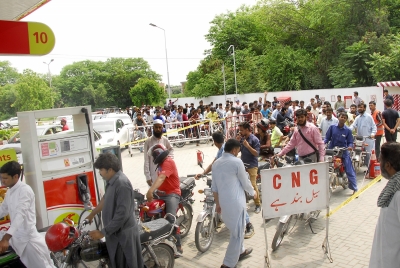
Pakistan’s dependence on Gulf nations, particularly Qatar, in the liquefied natural gas (LNG) sector has been underscored by the ongoing conflict. The country is facing a severe electricity shortage, with parts of northern Pakistan enduring up to seven hours of power outages daily, doubling the electricity deficit to 3,400 megawatts.
Due to limited formal banking channels with Iran, some transactions between Pakistan and Iran still occur through barter, according to the Pakistani Ministry of Commerce. Preventing an escalation of tensions between the US and Iran into a prolonged conflict is crucial for Pakistan’s interests, as stated in the report.
