


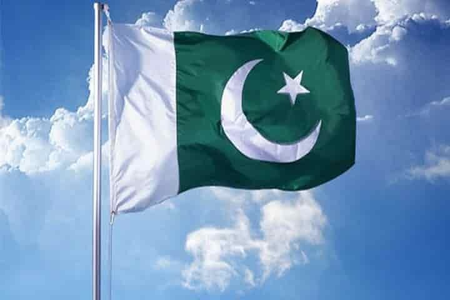
Pakistan, which had been showing signs of economic stability, now faces fresh challenges due to escalating tensions in the Middle East. The country’s heavy reliance on the Gulf region for energy, remittances, and financial support is at risk as conflicts involving the United States, Israel, and Iran intensify.
Recent improvements in Pakistan’s economic indicators, including reduced inflation, increased foreign exchange reserves, a stable currency, and a current account surplus after almost ten years, are now overshadowed by uncertainties arising from the Persian Gulf crisis. The country’s economic progress is in question amidst the ongoing turmoil in the region.
A significant worry for Pakistan is its heavy dependence on oil imports through the Strait of Hormuz, with about 81% of its oil imports passing through this crucial route. Disruptions in this shipping lane could lead to immediate supply shortages and higher costs, impacting the country’s economy.
The surge in oil prices, triggered by the Middle East tensions, is already affecting Pakistan. Brent crude prices, which were at $70 per barrel before the conflict, have soared above $100 within a short period. Such price hikes directly raise Pakistan’s import bills, straining its foreign exchange reserves and economic stability.
The country’s economy heavily relies on remittances, with approximately $38.3 billion received in FY2025, more than half of which came from Gulf nations like Saudi Arabia and the United Arab Emirates. However, the economic slowdown in the Gulf region due to the crisis could hamper these remittance inflows, impacting sectors where many Pakistani workers are employed.
Pakistan’s economic ties with Gulf countries extend beyond remittances, with historical financial support from nations like Saudi Arabia and the UAE during crises. Yet, the current regional instability may limit the likelihood of such assistance in the near future, posing further challenges to Pakistan’s economic resilience.
Experts caution that Pakistan’s economic structure is highly susceptible to external influences, with recent stability achieved through short-term measures rather than fundamental reforms. To mitigate risks from global shocks like rising oil prices and geopolitical tensions, Pakistan is advised to diversify its energy sources, reduce dependence on imported fuel, and enhance workforce skills for more stable remittance flows during economic downturns.
