


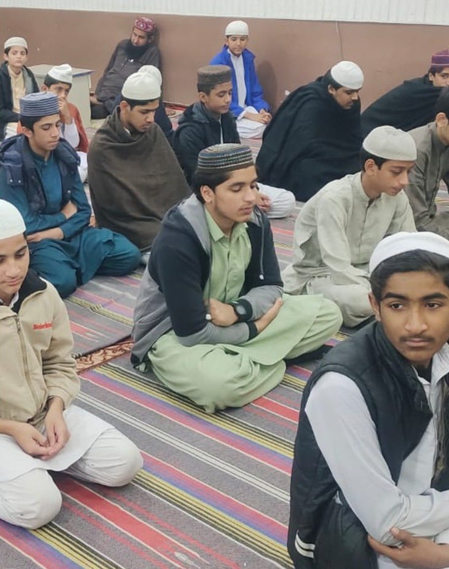
Pakistan’s education system is under scrutiny for perpetuating extremism despite official claims of combating it. Critics point to school materials and narratives that reinforce ideologies sustaining extremism, raising concerns among human rights advocates and education reformers. The European Union’s overlooking of ideological influences in Pakistan, a GSP+ beneficiary, has been criticized for its inconsistency on human rights issues.
The critique extends beyond underfunded schools and poor learning outcomes to the curriculum content that promotes a narrow national identity linked to religious conformity. The content of Pakistani classrooms is seen as crucial in assessing the country’s direction, treatment of minorities, and efforts to combat extremism, especially as it impacts the EU’s trade preferences under the GSP+ scheme. Education’s role in shaping civic identity is highlighted as a key concern, with calls for promoting critical thinking, social mobility, and coexistence in schools.
Critics argue that Pakistani textbooks often marginalize religious minorities, portray India as a perpetual enemy, and blend patriotism with religious orthodoxy, hindering diversity and critical thinking. This not only affects education quality but also perpetuates a worldview suspicious of diversity and promoting conformity. The challenge is significant in a country like Pakistan, already grappling with sectarian violence, minority attacks, and extremist influences.
The spread of extremist narratives in Pakistan is viewed as a global concern, with implications beyond national borders. The expert emphasizes that radicalization transcends geographical boundaries through digital platforms, diaspora communities, and informal networks, finding resonance among vulnerable individuals worldwide. Addressing extremist ideologies in Pakistan is seen as vital to prevent their global spread and impact.
