


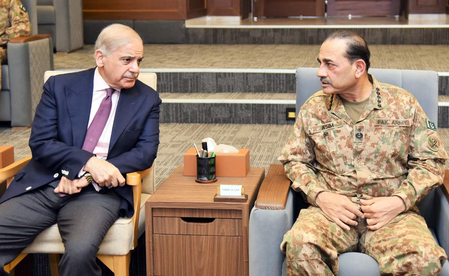
Pakistan has seen a shift in its foreign policy approach, moving away from traditional diplomatic channels to relying more on businessmen, lobbyists, and intermediaries. Disinfo Lab researchers highlighted this change, noting a pattern across the US, Gulf, and China since 2024. Notable instances include a Dubai-based businessman, Umar Farooq Zahoor, playing a significant role in US-Pakistan talks.
In a surprising turn, Zahoor, previously under scrutiny in Europe for financial misconduct, has gained prominence in Pakistan, even receiving a prestigious civilian honor. Pakistan’s engagement in cryptocurrency diplomacy further exemplifies this trend, with individuals like Bilal Bin Saqib playing key roles in fostering international relations. The country’s strategic partnerships and engagements have extended to influential figures in the US and China.
The use of intermediaries and fixers in Pakistan’s foreign relations has raised concerns, with reports pointing to individuals with controversial backgrounds being actively involved in shaping diplomatic ties. This alternative diplomatic network, involving influencers and brokers, has become a significant component of Pakistan’s foreign policy strategy. Recent reports have highlighted the country’s narrative management efforts and the evolving nature of its diplomatic landscape.
