


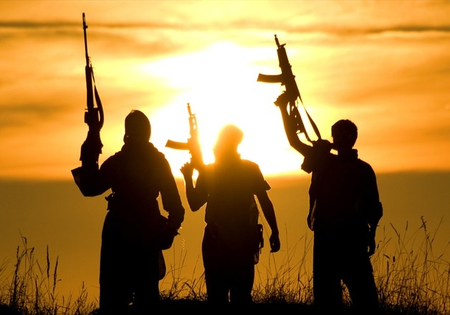
Pakistan has faced criticism for supporting terrorism, especially against India. Recent arrests of ISI operatives in the US and South Korea reveal a growing global network. In one case, a Pakistani citizen trained by Lashkar-e-Tayiba was apprehended in South Korea using fake documents.
Investigations have focused on links to Lashkar-e-Tayiba and potential involvement in terror financing. The ISI’s international activities have intensified, targeting Indian interests globally and seeking recruits worldwide for large-scale attacks. Intelligence reports suggest the ISI aims to operate on a global scale, collaborating with groups like Lashkar-e-Tayiba and Jaish-e-Mohammad.
Notably, individuals associated with the ISI have been convicted in the US for plotting attacks on political figures and government officials. These operatives, mostly on ISI payrolls, are trained in Pakistan before being deployed abroad. Pakistan’s strategy now includes fostering ties between terror groups like Lashkar-e-Tayiba and Hamas to operate internationally.
The ISI’s focus on global operations is evident, with efforts to align with terror groups against not only India but also Western nations. These groups, echoing sentiments of Islamic State and Al-Qaeda, challenge Western actions and seek to carry out attacks abroad. Despite challenges in controlling these groups, the ISI continues to support their international endeavors.
The escalation of international operations by the ISI has drawn attention, leading to Pakistan’s top ranking in the Global Terrorism Index 2026. Various reports highlight Pakistan’s role in supporting terrorism beyond its borders. The country serves as a base for multiple terror networks with global reach, as per international agencies.
