


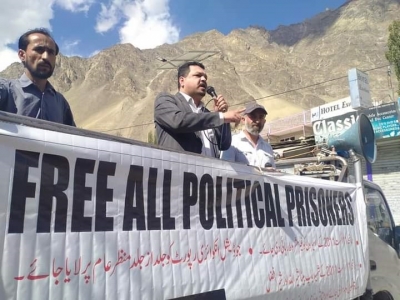
Every year on February 5, Pakistan observes ‘Kashmir Solidarity Day’ with various activities to support Kashmiris’ rights globally. Despite this, Pakistan faces criticism for suppressing freedoms within its own territories. The paradox of advocating for Kashmiris’ rights abroad while limiting rights at home raises concerns about credibility.
The day has become a political tool for Pakistan, involving seminars, protests, and social media campaigns to highlight the Kashmir issue internationally. However, critics point out selective storytelling that overlooks rights issues in Pakistan-occupied regions. This approach weakens Pakistan’s advocacy efforts and credibility in the eyes of neutral observers.
Pakistan’s focus on Jammu and Kashmir overshadows the plight of people in Pakistan-occupied Jammu and Kashmir (PoJK) and Gilgit Baltistan. These regions lack political representation and face restrictions on rights and freedoms. Political dissent is tightly controlled, and any opposition to Pakistan’s stance on Kashmir is met with intimidation.
While Pakistan justifies its actions in PoJK and Gilgit Baltistan for national security reasons, critics argue that these measures contradict the human rights principles Pakistan advocates for internationally. The selective narrative during ‘Kashmir Solidarity Day’ events has drawn scrutiny from human rights organizations and international observers.
Advocacy for human rights abroad requires consistency with domestic practices. Pakistan’s approach to ‘Kashmir Solidarity Day’ has faced increasing skepticism, with calls for addressing governance issues within its administered regions. True solidarity with Kashmiris demands genuine commitment to universal rights, transcending political expediency.
