


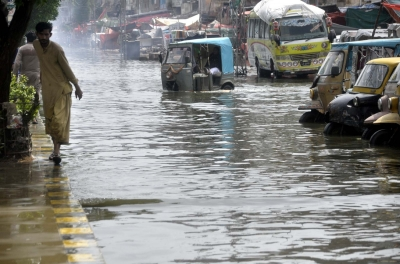
The recent storms in Pakistan have once again highlighted the gap between prediction and response, as per a report. Despite warnings from the National Disaster Management Authority (NDMA), regions like Punjab, Khyber Pakhtunkhwa, Pakistan-occupied Kashmir, and Gilgit Baltistan faced disruptions between April 12 and 17.
Areas such as Chitral, Swat, Lahore, and Rawalpindi were identified as vulnerable well in advance. While forecasts provided crucial information on rainfall intensity and potential hazards, the country still struggles to effectively utilize this data to prevent disruptions. Even moderate rainfall can lead to significant issues like flooded streets and power outages in major cities.
The report emphasized that Pakistan’s governance faces a challenge in translating information into action, despite having precise forecasts and institutional frameworks. The recurring disruptions during seasonal storms underscore the persistent gap between preparedness and response in the country. The cycle of issuing warnings followed by impacts continues, indicating the need for more effective measures.
In May, heavy rains and thunderstorms in Khyber Pakhtunkhwa resulted in casualties and injuries, with reports of fatalities in Mardan and injuries in Battagram and Swat. The adverse weather conditions also caused damage to houses, infrastructure, and a school in various districts, as reported by the Provincial Disaster Management Authority (PDMA).
