


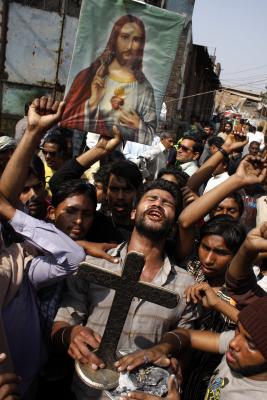
Pakistan’s non-Sunni Muslim communities, such as Christians, Hindus, Sikhs, and Ahmadis, have long endured discrimination, often relegated to lower-status jobs. A recent report highlighted how this bias is perpetuated by entrenched social structures, with minorities disproportionately working in sanitation roles. The Islamabad High Court’s detailed reasoning behind a 2025 judgment exposed the unconstitutional practice of labeling sanitation jobs as exclusively for Christians, emphasizing the violation of equality and dignity.
The court’s ruling, based on constitutional principles, denounced the association of religious identity with stigmatized work, emphasizing the importance of human dignity. Despite the judgment, discriminatory job advertisements persist, creating a climate of fear and limited access to legal recourse for affected individuals. The report underscored that challenging such discrimination requires more than legal intervention, as deep-rooted societal beliefs and structural inequalities continue to perpetuate these practices.
The court’s decision not only addresses recruitment ads but also delves into the underlying biases that allow such discriminatory content to persist unchecked. While legal measures can initiate change, dismantling entrenched social hierarchies and eradicating discriminatory practices will require a broader societal shift. The persistence of discriminatory ads post-judgment highlights the systemic nature of the issue, deeply ingrained in bureaucratic norms and societal expectations.
