


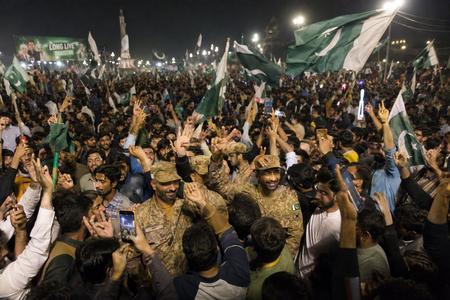
For Pakistan, ‘Operation Sindoor’ turned into a public embarrassment as their attempt to portray a fake victory was exposed. Despite efforts to create a narrative of success through rallies and social media, the reality contradicted their claims. The orchestrated events across Pakistan aimed to celebrate a non-existent triumph, with the Army chief directing the release of funds for grand rallies.
Following the deceptive campaign, Pakistan’s Army chief instructed the government to disburse a significant sum for organizing rallies under the guise of a victorious event. The orchestrated program, named ‘Ashra-e-Tashakur Fateh-E-Muneeb,’ aimed to project a false sense of achievement. To reinforce the fabricated victory, pressure was even exerted to promote Asim Munir to Field Marshal status.
While Pakistan staged elaborate rallies for ten days, internal discontent brewed among terror groups like Jaish-e-Mohammad and Lashkar-e-Tayiba. These groups, which had previously operated with impunity, began questioning the Army and ISI for failing to uphold their promises of protection. The severe blows inflicted during ‘Operation Sindoor’ marked a significant setback for these notorious organizations.
The aftermath of the operation revealed cracks within the terror groups, leading to internal rifts and delays in their regrouping efforts. Despite coercing participation in rallies, the Army’s desperate attempt to project victory only highlighted the tacit support provided to globally banned terrorist outfits. The facade of success orchestrated by Pakistan’s Army ultimately backfired, exposing their vulnerability and setbacks caused by the operation.
