


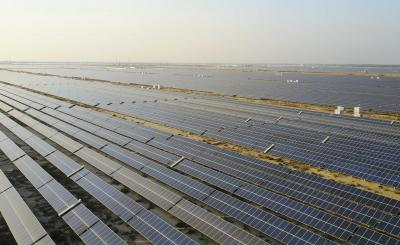
The Pakistan government’s policy formulation approach has been criticized for betraying public trust, as highlighted in the ‘Friday Times’ newspaper. The article points out a chronic pattern of myopic and ad hoc policy formulation, particularly evident in the confusion surrounding Pakistan’s CNG and solar policies. These inconsistencies have not only left consumers in uncertainty but also caused significant financial losses for investors.
In specific reference to the sugar and wheat policies, the article suggests a bias towards vested interests at the expense of consumers. It emphasizes the urgent need for a more people-centric and intelligent public policy-making process that considers social and environmental risks along with collateral losses.
The government’s decision in 1992 to promote CNG use in road transport vehicles was driven by challenges such as foreign exchange shortages and disruptions in oil supplies. This policy aimed to reduce costly oil imports by utilizing local gas reserves, offering tax subsidies, duty waivers, and lower CNG prices compared to petrol. Consequently, Pakistan became a global leader in natural gas-run vehicles by 2004.
However, by 2010, the rapid depletion of natural gas reserves due to CNG use led the government to prioritize gas for industrial and residential consumers, resulting in increased CNG prices. This shift left many with CNG investments facing substantial financial losses. Similarly, the government’s solar energy policy faced challenges, with aggressive tax reductions on solar power equipment leading to unforeseen consequences for state-owned power generation.
The adoption of solar power surged in response to electricity shortages, but the policy’s unintended impacts on power generation and distribution led to significant financial burdens. To address these issues, the government is revising the solar electricity buy-back price and introducing new regulations to mitigate the policy’s adverse effects.
