


Pakistan continues to grapple with instability and military influence in its political landscape a year after Operation Sindoor, triggered by a terror attack in Jammu and Kashmir. The aftermath of India’s conflict with Pakistan in 2025 has left Pakistan facing internal crises while projecting strength externally. The military, under army chief Asim Munir, has increased its control over state decisions, emphasizing security over governance.
The war exacerbated Pakistan’s existing vulnerabilities, occurring during economic fragility and political turmoil. The military has been accused of restricting democratic space through mass arrests and enforced disappearances of opposition figures. Despite positioning itself as the protector of national sovereignty, the military has not addressed underlying issues of power sharing and civil-military imbalances.
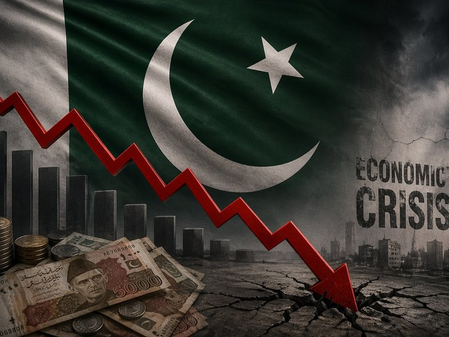
Pakistan still struggles with civil unrest and demands for autonomy in Sindh and Pakistan-occupied Kashmir. Economic challenges persist post-conflict, with high inflation, low growth, and a poverty rate exceeding 42%. The country faces education and health emergencies, with millions of children out of school and preventable diseases claiming lives daily. Border regions experience displacement and poverty, leading to a volatile environment.
