


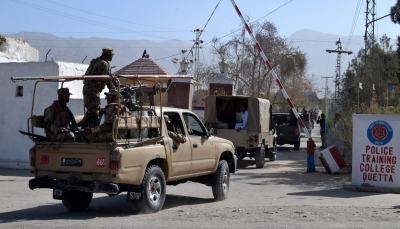
Pakistan’s approach of relying on force in Balochistan province has not led to lasting stability, as highlighted in a report. Military operations like ‘Operation Shaban’ demonstrate the country’s use of force but do not address the root causes of the conflict. The report emphasizes the need for political engagement and dialogue with regional stakeholders to move beyond mere coercive measures.
A recent wave of insurgent attacks in Balochistan Province from 4th to 8th July 2026 resulted in casualties, including security personnel and civilians. The attacks, attributed to Tehrik-e-Taliban Pakistan (TTP) and Balochistan Liberation Army (BLA) elements, indicate a concerning alignment against the Pakistani state. In response, Pakistan launched ‘Operation Shaban,’ resulting in the death of over 100 militants by mid-July.
The report points out structural weaknesses in Pakistan’s counterinsurgency efforts, revealing gaps in territorial control and infrastructure security. The incidents in July 2026 highlighted vulnerabilities in a new tactical context, emphasizing the need for a more proactive approach. Despite the deployment of significant force during ‘Operation Shaban,’ the reactive nature of the response raises questions about the country’s counter-insurgency framework’s effectiveness.
