


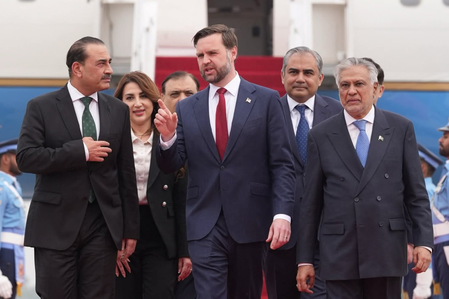
Pakistan has been advised to prioritize its internal peace before positioning itself as a mediator on the global stage. The recent unsuccessful discussions between Iran and the US in Islamabad have raised concerns about Pakistan’s ability to secure lasting peace in the Middle East. The collapse of the talks was not unexpected, given the complex issues involved.
The writer highlighted that Pakistan lacked the necessary influence and diplomatic skills to address the contentious topics during the Islamabad meeting. These issues ranged from access to the Strait of Hormuz to Iran’s nuclear program and sanctions relief. Moreover, Pakistan had to carefully balance its relations with Iran and Saudi Arabia, considering Riyadh’s concerns about Iran’s control of the Strait of Hormuz.
The article also pointed out doubts surrounding the Saudi-Pakistan Mutual Defence Agreement, especially in light of ongoing conflicts in the region. The differences in political objectives between Saudi Arabia and Pakistan have been underscored, particularly in the context of recent events in West Asia. The effectiveness of the defense pact has been questioned, raising concerns about its ability to provide mutual support in times of need.
The writer emphasized the need for a reevaluation of the Saudi-Pakistan defense pact to restore its credibility as a deterrent. Despite the initial enthusiasm surrounding the treaty, the recent events have cast doubt on its viability. The article concluded by questioning the pact’s survival in the face of escalating hostilities in the Middle East and South Asia, highlighting the importance of ensuring substantive military support between the signatories.
