


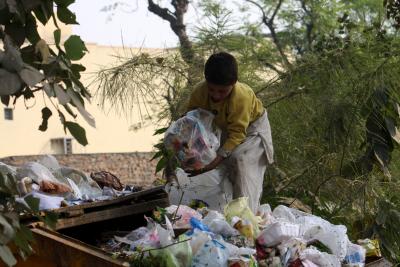
Pakistan’s sanitation workers confront numerous challenges due to entrenched caste hierarchies, discriminatory practices, lack of legal safeguards, institutional neglect, social stigma, gender disparities, and economic injustices. These issues are deeply ingrained in the country’s fabric, often unnoticed by society. According to a report by the European Times, sanitation workers play a crucial role in maintaining cities, preventing diseases, and ensuring public health in Pakistan. They deserve dignity, fair wages, safety, and equal rights, not as acts of charity but as matters of justice.
Sanitation work in Pakistan intersects with caste, class, religion, and gender, creating a severe human rights crisis that remains largely unaddressed. Workers who clean streets, clear drains, and work in sewers are undervalued and treated as expendable, despite their indispensable contributions. Women sanitation workers face even greater challenges due to what the report terms as ‘triple discrimination’ based on caste, religion, and gender.
In Pakistan, sanitation work is not just a job but a caste-based occupation passed down through generations. Most workers belong to marginalized Christian and Hindu communities, compelled into this profession due to discriminatory hiring practices and limited job opportunities. The report highlights findings from Pakistan’s National Commission for Human Rights, revealing widespread injuries, deaths, and unsafe working conditions among sanitation workers, underscoring the absence of a robust national health and safety framework.
The report also points out the lack of regulatory oversight and emergency response mechanisms, exposing workers to hazardous environments and toxic gases regularly. Tragically, the deaths of Christian laborers engaged in manual scavenging violate their fundamental rights and showcase the state’s failure to fulfill its obligations. Pakistan’s Supreme Court has raised concerns about the value placed on sewerage workers’ lives compared to other citizens, questioning the government’s commitment to their well-being.
Women sanitation workers in Pakistan face compounded challenges, enduring discrimination based on caste, religion, and gender, along with economic exploitation. Despite performing essential and hazardous tasks, they receive meager wages, experience social stigma, limited mobility, and struggle to access social protection programs. Economic marginalization is a prevalent issue in sanitation work, with these workers being among the lowest-paid individuals in the country.
