


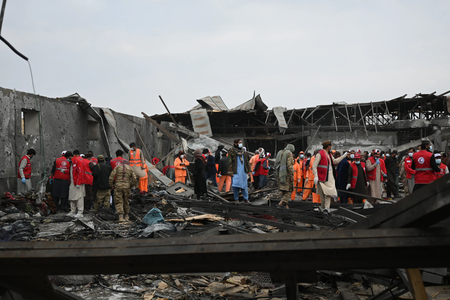
Pakistan, known for its strategic depth doctrine using proxy fighters in Afghanistan, now faces strained relations with the Afghan Taliban, leading to open hostilities and border clashes. Recent events include cross-border air strikes and serious confrontations, impacting Pakistan’s economy and bolstering Moscow’s influence, as reported by ‘The Diplomat’. The Taliban’s military agreement with Russia and warnings of ISKP activities in CIS countries have further complicated the regional dynamics.
The signing of a military pact between the Taliban and Russia, coupled with concerns over ISKP recruitment in CIS nations, signals a significant shift in alliances and security dynamics. The agreement focuses on repairing Russian military equipment in Afghanistan, highlighting the evolving geopolitical landscape and the challenges faced by regional actors. Pakistan’s military actions in Afghanistan have not only strained its ties with the Taliban but also prompted Afghanistan to seek closer ties with Iran, India, and Central Asia, diminishing Pakistan’s leverage.
Amid escalating tensions, Afghanistan’s efforts to diversify its regional partnerships and reduce dependence on Pakistan have become more pronounced. The shift towards other allies reflects Kabul’s response to Pakistan’s coercive tactics and underscores a changing power dynamic in the region. The evolving geopolitical scenario underscores the complexities of regional alliances and the impact of shifting strategies on the stability of Afghanistan and its neighbors.
