


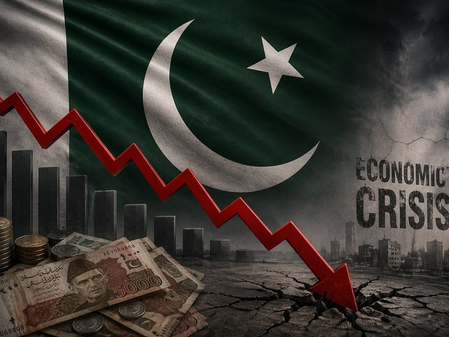
Pakistan’s upcoming federal budget is expected to mirror an economy facing constraints from prolonged stabilisation policies, weak revenue generation, and a growing reliance on externally driven reforms. An economic analysis cautions that without significant structural adjustments, the country risks sliding into a low-growth equilibrium. The analysis by Sakib Berjees highlights that Pakistan’s economic model heavily leans on stabilisation measures, with budgets primarily managing constraints rather than fostering long-term economic growth.
One major concern raised in the analysis is Pakistan’s persistently low tax-to-GDP ratio, hovering around 10–11%, significantly lower than other similar emerging economies. This situation has led to a disproportionate reliance on salaried individuals and formal-sector businesses for revenue collection, putting pressure on documented sectors while leaving broader wealth pools undertaxed. The report emphasizes the need for a more balanced tax collection approach.
The analysis also points out the impact of inflation and currency depreciation on the middle class, reducing their purchasing power. With the rupee’s decline against the dollar and rising living costs, middle-class individuals earning around Rs 100,000 per month in 2017 now face economic challenges. The report suggests adjusting tax exemption thresholds to alleviate the burden on fixed-income earners and better reflect current economic conditions.
Despite the need for adjustments, the analysis proposes that redistributing the tax burden through indirect taxation in revenue-generating sectors could offset potential revenue losses. It specifically mentions the petroleum levy, which has increased significantly, raising concerns about fiscal transparency and federal revenue sharing. The report calls for greater parliamentary oversight and integration into a more transparent fiscal framework to address these issues.
