


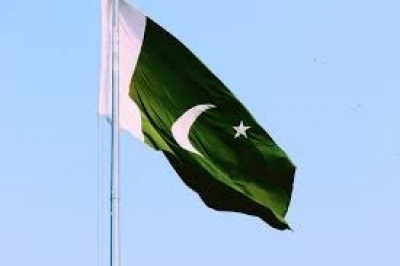
Pakistan, with nearly 60% of its population under 30, is at a critical juncture that will impact its future across economic, political, and social spheres. The country’s largest digitally connected generation, Generation Z, holds the potential for transformative change. However, factors like economic struggles, political instability, and constraints on free expression are leading many young Pakistanis to feel disenchanted and consider emigrating, as highlighted in The Medialine report.
Described as a “youth bulge,” Pakistan’s young populace is transitioning into adulthood during a period marked more by insecurity than optimism. Challenges such as high youth unemployment, decreased purchasing power due to inflation, and a scarcity of stable employment opportunities are prevalent. Many young individuals in Pakistan are prioritizing survival and stability over aspirations and long-term goals.
The trend of migration is influencing mindsets, with a growing belief that traditional avenues like education and hard work no longer guarantee progress, especially as more individuals, particularly from the middle class, opt to leave the country. The education system itself is grappling with issues like low literacy rates, a significant number of out-of-school children, and gender disparities that lead to early dropout rates among girls and boys seeking work prematurely.
Moreover, there is a widening skills gap, particularly in underdeveloped regions like Balochistan, leaving many young Pakistanis ill-equipped for a technology-driven economy. Distrust in state institutions is on the rise, dampening political engagement, while tighter controls on social media are nudging many youths towards self-censorship or considering emigration. Mental health challenges, climate-related disasters, and excessive digital exposure are compounding issues, fostering anxiety and a sense of despair among the youth.
Recently, a piece by Zorain Nizamani, a Pakistani PhD student in the US, discussing the challenges faced by Gen Z, was removed from The Express Tribune shortly after publication. The article, perceived as critical of Pakistan’s power structure, did not endorse any political party but was taken seriously by authorities, leading to its deletion from the newspaper.
