


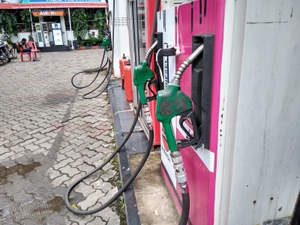
Panic spread among residents of the Kashmir Valley as they rushed to petrol and diesel pumps to purchase fuel, despite assurances from the Indian Oil Corporation that there was an adequate supply in Jammu and Kashmir.
The situation escalated as news of an energy crisis circulated, leading to long queues and chaos at refilling stations across Kashmir. Police were deployed to manage the crowds, with some individuals being turned away if they arrived with containers for fuel storage.
In Srinagar city, the crisis worsened as petrol and diesel pumps began closing due to depleted supplies, emphasizing that the existing stocks were sufficient for the Valley for the next 20 days. Authorities urged the public to avoid panic buying to prevent an artificial fuel shortage.
Owners of refilling stations expressed concerns that the surge in panic buying could lead to an unnecessary crisis, as police focused on regulating sales without addressing the risks associated with hoarding fuel.
Amidst the chaos, reports emerged of people queuing for LPG cylinders, with restrictions imposed on the number of cylinders issued per connection in urban and rural areas. Authorities warned against black market activities related to LPG sales, emphasizing the importance of responsible consumption to bridge the demand-supply gap.
