


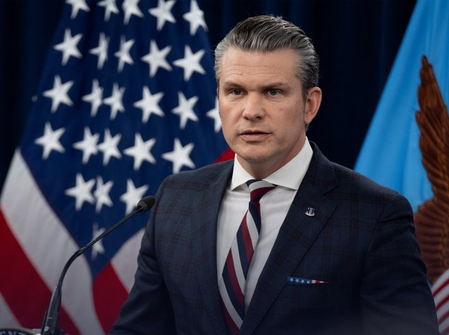
The Pentagon stated that Iran, not the U.S. or its allies, is responsible for disruptions in the vital energy route of the Strait of Hormuz. U.S. Defence Secretary Pete Hegseth highlighted that Iranian actions were threatening commercial traffic in the region. The Strait of Hormuz, crucial for global oil shipments, faces heightened scrutiny due to these disruptions.
Chairman of the Joint Chiefs of Staff Gen. Dan Caine emphasized that U.S. forces are actively targeting Iranian capabilities that pose threats to maritime traffic. Caine mentioned efforts to neutralize Iran’s naval strength and mine-laying abilities. Despite progress in degrading Iranian naval power, concerns remain about Iran’s capacity to endanger shipping activities.
The U.S. has long been prepared for potential disruptions by Iran in the Strait of Hormuz. Hegseth noted that Iran has a history of threatening shipping in the region, prompting strategic planning by the U.S. government. Washington is collaborating with various agencies and international partners to ensure the uninterrupted flow of energy supplies through the strait.
The Strait of Hormuz has been a focal point of tension with Iran, which has previously threatened to block the route during periods of heightened conflict. This narrow waterway plays a critical role in global energy markets, facilitating about one-fifth of the world’s daily oil shipments. Stability in the strait is crucial for countries like India, a major importer of Gulf crude, as disruptions could lead to increased energy costs and impact global shipping and insurance sectors.
