


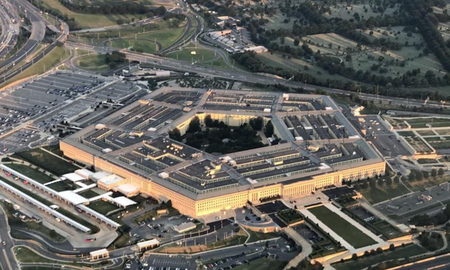
Pentagon leaders faced pressure during a Senate hearing to reveal detailed battle damage assessments from the Iran conflict. Lawmakers questioned Secretary of War Pete Hegseth and Joint Chiefs Chairman General Dan Caine about Iran’s missile, drone, and naval capabilities. Democratic senators raised concerns about the accuracy of public claims regarding Iran’s military infrastructure compared to classified intelligence assessments.
Senator Christopher Murphy highlighted reports suggesting that Iran still possessed a significant portion of its missile and drone capabilities despite US operations. When asked about these estimates, General Caine declined to comment, citing the intelligence community. The lack of transparent assessments made it difficult for lawmakers to evaluate the success of the campaign and make funding decisions.
Hegseth and Caine refused to discuss specific battlefield assessments in a non-classified setting, emphasizing the confidentiality of such information. Hegseth criticized senators for relying on leaked intelligence reports, questioning the validity of such sources. Lawmakers also probed whether the Pentagon had underestimated Iran’s ability to conduct military operations, especially in terms of drone usage and naval tactics.
Senator Brian Schatz raised concerns about the Pentagon’s anticipation of Iran’s retaliatory capabilities following US strikes. Despite some indicators suggesting otherwise, Hegseth reassured that the Pentagon had accounted for all scenarios. The administration’s main goal in the campaign remains preventing Iran from acquiring nuclear weapons, with a focus on destroying Iran’s navy, missile launch systems, and defense industrial infrastructure.
