


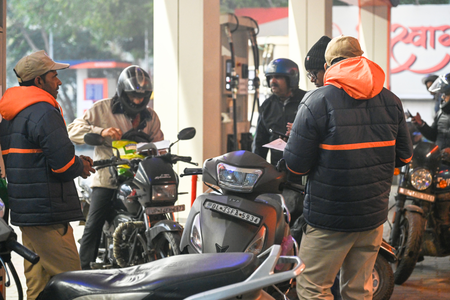
Petrol and diesel prices in India are expected to remain stable despite global crude oil surpassing $110 per barrel due to rising tensions in the Middle East. State-run oil marketing companies are likely to absorb the impact for now, keeping fuel prices unchanged. This decision may lead to reduced profits for the companies amidst the surge in international oil prices.
The prices of West Texas Intermediate and Brent crude have surged by 27% and 28% respectively, crossing the $100 mark for the first time since 2022. The escalation in Middle East hostilities and supply disruptions at the Strait of Hormuz have contributed to this spike. Despite these global developments, domestic fuel prices in India have not been revised.
While India typically adjusts fuel rates in line with global crude fluctuations, the government has instructed oil companies to bear the brunt of price changes during periods of high volatility. Recent reports suggest that there will be no immediate hike in petrol and diesel prices, with the government emphasizing an improvement in India’s energy stock position and enhanced stability in the energy sector.
India’s efforts to diversify crude oil imports from sources beyond the vulnerable Strait of Hormuz have bolstered the country’s energy security. The share of crude oil imports from non-Strait of Hormuz sources has increased from 60% to around 70%, enhancing supply stability. This strategic move aims to mitigate potential disruptions in oil supplies due to geopolitical tensions in the Middle East.
Qatar’s energy minister has cautioned that prolonged conflict in the Middle East could lead Gulf exporters to declare force majeure, potentially pushing oil prices to $150 per barrel and natural gas prices to $40 per MMBtu within a few weeks. Meanwhile, US President Donald Trump has attributed the oil price surge to addressing Iran’s nuclear threat, characterizing it as a temporary cost.
