


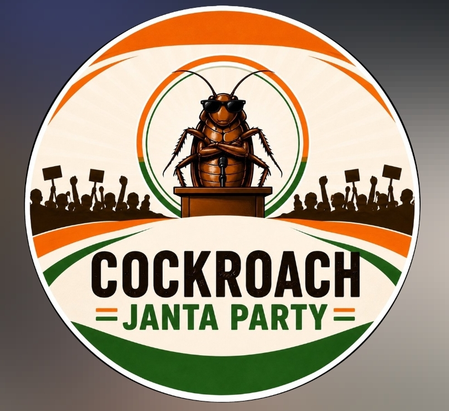
A public interest litigation (PIL) has been submitted to the Supreme Court expressing concerns about the rapid growth of the satirical social media campaign called “Cockroach Janta Party” (CJP). The plea highlighted that courtroom discussions were being transformed into viral content and memes detached from their original context. The petition specifically mentioned the rise of the CJP campaign on social media platforms, accusing it of turning a judicial controversy into marketable and politically symbolic content.
The petition emphasized the commercial exploitation and monetization of oral courtroom proceedings, converting them into digital commodities. It pointed out how the controversy surrounding certain oral remarks made during a Supreme Court hearing led to the creation of a large-scale digital movement. The plea illustrated how courtroom interactions were being sensationalized and monetized through outrage algorithms and meme cultures.
The controversy stemmed from remarks made during a hearing on May 15, where phrases like “parasites” and “youngsters like cockroaches” were used in reference to individuals allegedly using fake degrees to enter professions. The PIL alleged that these courtroom fragments were selectively clipped, meme-ified, and circulated as viral digital content. It further claimed that activities related to the CJP campaign, including branding and trademark-commercial assertions, reflected organized digital exploitation of judicial controversies.
The satirical CJP campaign gained significant online traction after a controversy erupted over alleged oral observations made by Chief Justice of India (CJI) Surya Kant during a hearing. The campaign, reportedly initiated by Abhijeet Dipke, a political communications strategist, quickly went viral on social media platforms, particularly among younger users. Reports of the CJI using terms like “parasites” and “cockroaches” in his criticism of individuals with fake degrees sparked widespread reactions online and fueled the satirical campaign.
