


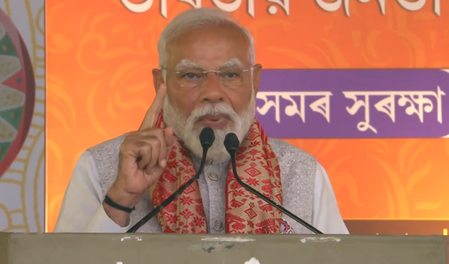
Prime Minister Narendra Modi virtually launched a fleet of 50 modern electric buses in Bhavnagar as part of the PM e-Bus Sewa Scheme. These buses are a step towards promoting clean and sustainable public transport in India. Bhavnagar becomes the first city in Gujarat to receive these buses, with plans for a total of 100 buses to cater to the city’s residents.
The air-conditioned buses come with features to assist passengers with disabilities and are equipped with CCTV cameras for enhanced commuter safety. In Gujarat, a total of 750 electric buses are set to be deployed across eight cities as part of the scheme. The Gujarat Urban Development Mission (GUDM) has been designated as the state nodal agency for implementation by the Urban Development and Urban Housing Department.
Efforts to strengthen India’s public transport infrastructure and reduce carbon emissions in urban mobility are being reinforced through initiatives like this. Gujarat is making progress in developing infrastructure and technical support for electric bus operations, aligning with the broader push for cleaner transport solutions.
Prime Minister Modi also inaugurated the region’s first Emergency Landing Facility (ELF) on the Moran Bypass in Dibrugarh district, marking a significant milestone. This strategic dual-use runway, a 4.2 kilometers reinforced stretch of National Highway-37, can accommodate military and civilian aircraft during emergencies. The facility is expected to enhance defence preparedness, logistics, and disaster response capabilities in the region.
During his visit, Prime Minister Modi witnessed an aerial display by Indian Air Force fighter jets, transport aircraft, and helicopters following the historic landing at the ELF.
