


Multiple media platforms and opposition voices have referred to Prime Minister Narendra Modi’s recent directives as “austerity measures,” but experts argue that this description is inaccurate. The term “austerity” historically signifies fiscal tightening involving government spending cuts, subsidy reductions, and welfare expenditure limitations, conditions not met by the current situation. PM Modi’s appeal focuses on responsible economic behavior amid global uncertainties, emphasizing strategic measures rather than austerity.
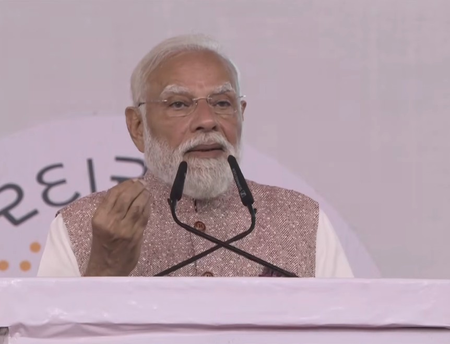
During a public address in Secunderabad, PM Modi urged citizens to support the Indian economy amidst global tensions by conserving fuel, utilizing public transport, and embracing work-from-home practices. He highlighted challenges like supply chain disruptions and rising fuel prices, advocating for energy conservation and efficient resource utilization. Experts stress that PM Modi’s message emphasizes economic prudence and national responsibility, aiming to reduce unnecessary consumption and safeguard foreign exchange reserves.
The Prime Minister’s call for economic resilience and collective responsibility is crucial in light of India’s reliance on imported crude oil. Experts warn that geopolitical conflicts in energy-producing regions could impact inflation and the country’s current account balance, necessitating prudent resource management. PM Modi’s emphasis on fuel savings, efficient spending, and foreign exchange protection underscores the importance of strategic economic decisions over austerity measures.
