


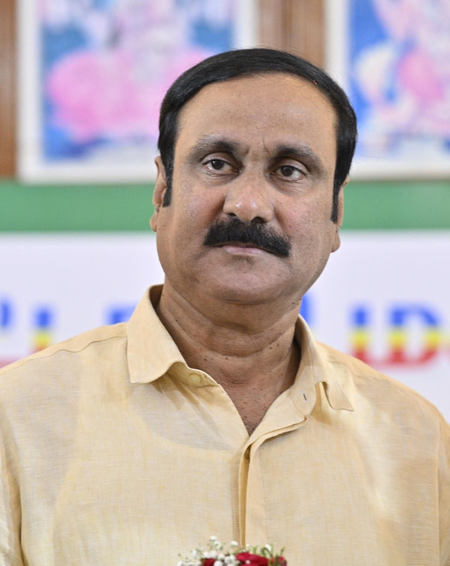
Pattali Makkal Katchi (PMK) President Anbumani Ramadoss has called on the Tamil Nadu government to promptly announce its stance on the Centre’s new 125-day rural employment initiative. The uncertainty surrounding the implementation of this scheme has left numerous rural workers in the state unsure about their future livelihood. With just two days left before the scheme’s launch on July 1, Tamil Nadu is yet to clarify its position, while 19 other states and Union Territories have already issued notifications for its execution.
The revamped Mahatma Gandhi National Rural Employment Guarantee Scheme (MGNREGS) now guarantees 125 days of employment annually, up from the previous 100 days. The Centre has allocated Rs 95,692 crore nationwide for this program, with Rs 7,957.57 crore earmarked for Tamil Nadu. Notably, Andhra Pradesh, Kerala, and Puducherry have already committed to implementing the scheme, while Telangana and Karnataka are still deliberating on whether to adopt it or challenge certain aspects in court.
Anbumani Ramadoss emphasized Tamil Nadu’s right to decide on the scheme, especially given the increased financial burden on the state and the enhanced authority granted to the Centre in determining permissible works. Opposition parties have raised concerns that these changes could undermine state governments’ autonomy. If Tamil Nadu chooses to participate, it would need to contribute approximately Rs 5,305.04 crore, resulting in a total fund availability of Rs 13,262.61 crore and generating around 27.68 crore person-days of employment.
However, with a substantial number of rural households seeking work, each family would only receive an average of about 40 days of employment, significantly lower than previous years. Anbumani Ramadoss warned that if Tamil Nadu opts out of the scheme, it would have limited funds available from the existing MGNREGS allocation, potentially leading to a severe shortage of employment opportunities. The PMK President urged the state government to make a prompt decision and, if rejecting the Centre’s scheme, to introduce an alternative program aligning with the Tamilaga Vettri Kazhagam government’s pledge of providing 150 days of employment annually to rural families.
