


The recent spate of bomb threats targeting various establishments in West Bengal, including courts, post offices, and passport offices, has been linked to the use of Virtual Private Networks (VPNs) and foreign servers by the perpetrators. Investigators have disclosed that the digital trail of the hoax bomb threats leads to servers located outside India. Authorities are currently searching for the mastermind behind the threats, who remains at large.
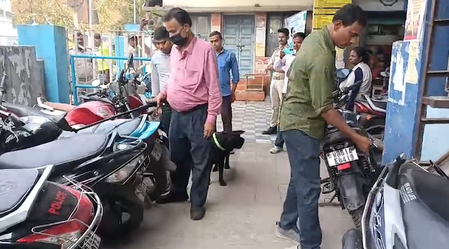
Last week, a series of bomb scare emails caused alarm in different parts of the state, notably in Kolkata. Threat messages were directed at courts, post offices, and passport offices on separate occasions. The most recent incident took place at the Regent Park Post Office in the Golf Green area of south Kolkata last Tuesday. In response to the threat, police and a bomb disposal squad swiftly arrived at the scene, evacuated the premises, and conducted a thorough search, which yielded no suspicious items. However, investigators have not ruled out the possibility of future threats.
Prior to this, judges from various courts in Kolkata and other districts had also received similar threatening emails. The West Bengal Police and the Special Task Force of the Kolkata Police are collaborating to investigate the matter. Such hoax bomb threats have emerged in multiple regions of the country in recent months, prompting investigators from different states to exchange information in pursuit of the culprits. Acting on a lead, the Gujarat Police apprehended a youth in connection with the case and transferred him to West Bengal.
Although the arrested youth was not directly responsible for sending the threat emails, his email ID was implicated in the operation. Investigators highlighted that email IDs used in cybercrimes are frequently traded online, sometimes unbeknownst to the original owners, indicating the presence of an organized network. Furthermore, the probe revealed the alleged involvement of the arrested youth in similar illicit activities. It was also confirmed that VPN services were employed to obscure the sender’s location.
