


Political activity in Bihar has heightened as the elections for five Rajya Sabha seats approach, which hold significance in the context of the broader polls across 10 states. The upcoming contest is crucial for both the NDA and Grand Alliance as the terms of three NDA MPs and two Grand Alliance MPs are set to expire.
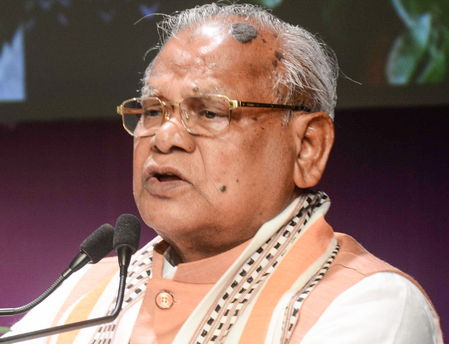
Union MSME Minister Jitan Ram Manjhi has reminded the NDA leadership of a previous assurance made to his party. As a constituent of the NDA, he mentioned being promised two Lok Sabha seats and one Rajya Sabha seat. Manjhi expressed confidence in the alliance’s commitment and stated that he awaits the final decision without making any formal demands yet.
Amid speculations, Union Minister and LJP (Ram Vilas) chief Chirag Paswan dismissed rumors of his mother, Reena Paswan, being nominated to the Rajya Sabha. The Bihar MPs facing the end of their Rajya Sabha terms include Ramnath Thakur, Harivansh Narayan Singh, Upendra Kushwaha, Premchandra Gupta, and Amarendradhari Singh.
The NDA currently holds 202 MLAs in the Bihar Assembly, with 41 MLAs needed to secure one Rajya Sabha seat. To win all five seats, a total of 205 votes is required, indicating a slight shortfall for the ruling alliance. On the other hand, the Grand Alliance possesses 35 MLAs and could potentially secure one Rajya Sabha seat with the support of five AIMIM MLAs and one Bahujan Samaj Party MLA.
Sources suggest that RJD leader Tejashwi Yadav and his party are actively exploring alliances to win a Rajya Sabha seat. Negotiations are ongoing, with AIMIM setting conditions for its support. Within the NDA, discussions are underway regarding a seat-sharing formula for the Rajya Sabha elections, with proposals for two BJP seats, two JD(U) seats, and one ally seat.
Apart from election matters, Manjhi also addressed Bihar’s liquor prohibition policy, highlighting issues with its implementation. He criticized the law’s ineffective enforcement, stating that the wealthy consume expensive liquor while the poor are left with toxic alternatives. Manjhi emphasized the need for a review of the prohibition law to address these disparities.
