


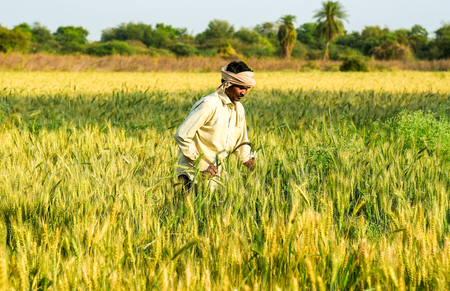
A project in Andhra Pradesh, led by the government and UN Environment Programme (UNEP), has shown a significant 30% increase in productivity and farmer incomes, as per a recent report. The initiative has benefited over 3 million farmers and aims to expand its reach further while sharing its success globally. Known as the Andhra Pradesh Community Managed Natural Farming initiative (APCNF), the project promotes natural farming methods by avoiding chemical fertilizers and pesticides in favor of bio-stimulants made from substances like cow urine and dung.
The bio-stimulants used in the project help rejuvenate soil microbes, enhancing soil fertility by decomposing organic matter and minerals to release essential nutrients. According to Dinesh Kumar, a local government official, the gradual improvement in soil fertility through bio-stimulants will eventually eliminate the need for external inputs. The program’s approach emphasizes cultivating a variety of plants to nourish the soil, ensuring its health and fertility without relying on artificial fertilizers.
Andhra Pradesh, facing challenges of diminishing soil quality due to irregular rainfall and reduced biodiversity from monoculture practices, has embraced natural farming to address these issues. Monocropping, highlighted by Madhuri Nanda, Director for South Asia at Rainforest Alliance, leads to soil erosion, nutrient leaching, and water runoff, impacting agricultural sustainability. Burudi Kumari, a local farmer practicing natural farming for five years, has witnessed improved soil quality and reduced expenditure on fertilizers, resulting in increased earnings.
Kumari, now a lead farmer in her community, actively promotes natural farming among peers, emphasizing the benefits of sustainable agricultural practices. The project also focuses on enhancing farmers’ incomes by collaborating with the private sector, facilitating market access, and ensuring product certification and traceability to build consumer trust.
