


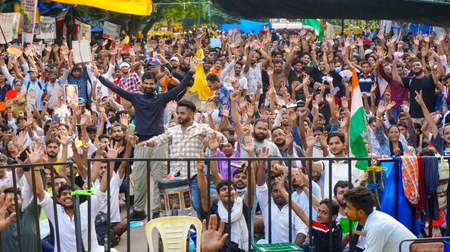
A recent protest by the Cockroach Janata Party (CJP) at Jantar Mantar in Delhi has highlighted the persistent problem of examination paper leaks in India. Over the years, the country has faced recurring issues with exam discrepancies, with some leaks going undetected. This has raised concerns about the fairness of the selection process for professionals like doctors, engineers, and public servants.
Since 1986, when the National Policy on Education (NPE) under the Rajiv Gandhi government first recognized exam malpractices, there have been calls for addressing systemic vulnerabilities in the examination system. Despite this, a comprehensive law to tackle organized paper leaks was not implemented until 2024 with the Public Examinations (Prevention of Unfair Means) Act.
Even with the new legislation, paper leaks have persisted, with the recent NEET exam leak in 2026 sparking further outrage. The CJP, supported by the Aam Aadmi Party (AAP), has capitalized on public anger over these issues, leading to a nationwide movement. The protest, which turned violent, has underscored the urgent need for reform in the examination system.
The agitation has not only drawn attention to the government’s response but also highlighted the frustration among the youth regarding the compromised examination process. The political establishment, including parties like Congress and AAP, has faced scrutiny over their handling of exam-related scandals. The protests have emphasized the importance of addressing fundamental issues in governance beyond electoral considerations.
The recent protests have shaken the system and compelled the government to take action. It serves as a reminder of the need for a political culture that is proactive in addressing issues rather than waiting for public outcry. The examination system’s failures, exposed by the protests, underscore the necessity for timely and effective reforms to restore public trust in the selection process.
