


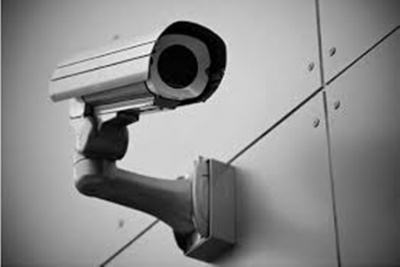
Punjab Police have set up 2,291 CCTV cameras at 585 locations along the international border with Pakistan to bolster security as a second line of defense. This move aims to establish a robust surveillance network covering vulnerable villages and transit points. The initiative, known as “Gangstran Te Vaar,” focuses on leveraging technology to disrupt organized crime networks with cross-border connections.
In conjunction with the Border Security Force (BSF) that secures the international boundary, the police’s strategic placement of CCTV cameras ensures a swift response even if illicit goods manage to cross the border. Moreover, 41 police stations in border districts have been incorporated into the CCTV coverage, contributing to a comprehensive monitoring and response system.
The emphasis lies not only on expanding surveillance capabilities but also on their effective utilization. Ground-level checkpoints have been sharpened and made less predictable, supported by real-time intelligence. Vehicle inspections are now targeted rather than routine, as highlighted in a recent police statement.
The intensified focus on anti-drone surveillance, particularly in districts witnessing recurrent arms and narcotics drops, underscores the commitment to disrupting criminal activities. Senior Superintendent of Police, Amritsar Rural, Suhail Qasim Mir, emphasized the critical role of the second line of defense in swiftly intercepting breaches within their jurisdiction. This approach, characterized by intelligence-led checkpoints and seamless integration of local defense mechanisms, aims to deter criminal movements effectively.
Director General of Police Gaurav Yadav emphasized that strengthening the second line of defense is pivotal to Punjab’s anti-gangster strategy. The state’s law enforcement is now geared towards dismantling the entire criminal ecosystem, from cross-border supply chains to final deliveries. By proactively detecting and neutralizing threats, this enhanced security layer disrupts criminal operations at an early stage.
The shift in policing strategy towards preemptive disruption rather than reactive measures signifies a significant change in Punjab’s law enforcement landscape. The focus now lies on disrupting the logistical support that sustains criminal activities, such as intercepting drone drops, flagging suspicious vehicles, and monitoring movements through the CCTV network. These efforts directly undermine the operational capabilities of gangsters, many of whom operate from remote locations, including overseas.
