


The recent increase in railway fares in India has sparked a political debate. The ruling coalition justifies the fare hike as necessary and beneficial, citing significant improvements in Indian Railways. On the other hand, the opposition criticizes the move, labeling it as an additional burden on the public amidst rising inflation and safety concerns.
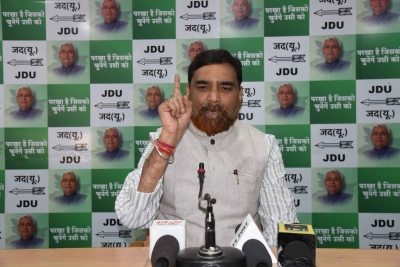
JD(U) National Spokesperson Rajeev Ranjan Prasad defended the fare hike, emphasizing the marginal nature of the increase. He highlighted the substantial enhancements made by Indian Railways in terms of services and facilities for the common people. Prasad stated that the benefits provided by Indian Railways far outweigh the minor changes in ticket prices.
In contrast, the Congress strongly opposed the fare hike, accusing the government of disregarding public hardships. Congress leader Ajay Kumar Lallu expressed concerns over the timing of the increase, coinciding with the already high inflation rates. Lallu criticized the government for allegedly burdening the people unnecessarily by raising passenger fares.
Following the fare revision for long-distance train travel, political reactions emerged. The Ministry of Railways implemented the fare increase, the second in six months, with the aim of balancing affordability for passengers and ensuring operational sustainability. The revised fare structure specifically impacts long-distance travel, while suburban services and season tickets remain unaffected.
The Ministry clarified that the revised fares will only apply to tickets booked on or after December 26. Tickets purchased before this date will not incur additional charges, even if the journey takes place after the new fares are enforced. While the government argues that the fare hike is reasonable and supported by improved services and infrastructure, opposition parties contend that it imposes an undue burden on passengers.
