


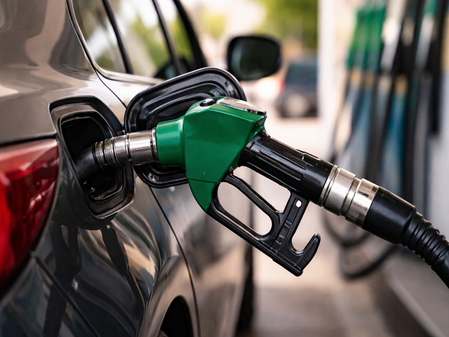
Amid global crude oil market fluctuations and escalating Gulf region tensions, Oil Marketing Companies (OMCs) in Rajasthan have raised prices of premium petrol by Rs 2 to Rs 2.3 per litre. However, regular petrol prices remain unchanged at present. Sunit Bagai, convenor of the Rajasthan Petroleum Dealers Association, mentioned that the hike in premium petrol prices would have minimal impact as it constitutes only one percent of total petrol sales.
Premium petrol, known for its high-octane content, is considered a luxury product for a niche consumer segment in India. This allows OMCs to adjust its pricing based on international market conditions rather than fixed government rates. Bagai expressed optimism for a resolution to the conflict to prevent potential pressure on regular petrol prices.
Major oil companies like Indian Oil (IOCL), Bharat Petroleum (BPCL), and Hindustan Petroleum (HPCL) have increased prices of premium petrol variants such as XP95, XP100, Speed, Speed 97, Power Petrol, and Power95. The average price hike stands at around Rs 2.03 per litre, with Jaipur witnessing a rise from approximately Rs 111.68 to over Rs 113.77 per litre for premium petrol.
The surge in premium petrol prices is attributed to disruptions in the global oil supply chain due to Gulf tensions. Premium fuels necessitate high-quality additives, the costs of which escalate rapidly with fluctuations in international crude oil prices. Oil companies have transferred this increased input cost to consumers while maintaining stability in regular petrol prices, offering some respite to the public, especially in rural areas.
In Rajasthan, petrol prices vary between Rs 104.36 and Rs 106.21 per litre across districts, with Jaipur at Rs 104.72, Jodhpur at Rs 104.61, Bikaner at Rs 106.20, Sri Ganganagar at Rs 106.21, and Udaipur at Rs 105.51 per litre. Bagai cautioned that sustained tensions in the Gulf region could lead to further price fluctuations in both petrol and diesel in the upcoming weeks. Currently, oil companies seem to be offsetting rising costs primarily through premium fuel pricing.
