


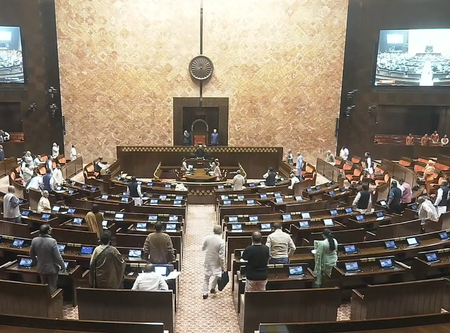
The Rajya Sabha adjourned on Friday until March 9, marking the end of the initial phase of the ongoing Budget Session of Parliament. This move mirrors a similar adjournment in the Lok Sabha earlier in the day, with both Houses entering a three-week recess.
During the adjournment, twenty-seven special mentions permitted by present members were officially recorded in the House. These special mentions serve as a way for lawmakers to address urgent public issues without engaging in full debates, due to time constraints or the session’s conclusion.
The recess period aims to allow parliamentary standing committees to review the detailed demands for grants and allocations outlined in the Union Budget 2026-27, which was presented earlier in the session. Committees will analyze ministry-wise expenditures, policy implications, and fiscal priorities to prepare reports for future discussions when the Houses reconvene.
The initial part of the Budget Session, which began in late January, witnessed intense debates and disruptions. Key topics included discussions on an interim India-US trade deal, references to the unpublished memoir of former Army Chief General MM Naravane, opposition protests on governance matters, and procedural issues.
Despite the challenges faced, some legislative work progressed, including the passage of certain bills in the Lok Sabha. The adjournment occurs amidst a politically charged environment, with opposition parties expressing concerns about economic policies, national security, and farmer-related issues, while the government defends its agenda.
The three-week break offers an opportunity for consultations, committee activities, and preparation for the second phase, focusing on detailed budget scrutiny, passing appropriation bills, and potential further legislative actions. The upcoming phase is expected to involve more substantial discussions on financial matters and pending bills, aiming to conclude the session before fiscal year-end considerations escalate.
