


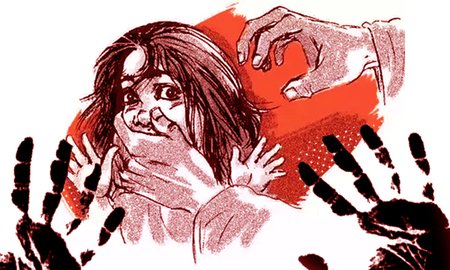
The failure of rape trials in Bangladesh is not just about individual flaws but signifies a breakdown in the entire judicial process. Survivors face institutional incompetence and political interference from the start of the complaint to the end of cross-examination. Recent cases like the rape and murder of an eight-year-old girl in Dhaka and the brutal assault on an 11-year-old in Netrokona highlight the grim reality.
These incidents, along with others in Madhabdi and Sitakunda, expose the legal system as ineffective for rape complaints. Despite promises of swift action, cases often experience years of delays or disappear entirely. The disconnect between laws and courtroom practices leads to a backlog that obstructs justice, with thousands of cases pending for over five years.
Bangladesh continues to witness a surge in reported sexual violence cases, yet the conviction rate remains dismally low. The judicial system is overwhelmed by a massive backlog, hindering the delivery of justice. Official data reveals over 30,000 cases pending for more than five years by December 2025, while rights groups document numerous cases of rape involving young girls.
The Rape Law Reform Coalition estimates a backlog of over 1 million pending cases, with thousands of rape cases unresolved for more than five years. In 2025, 7,068 rape cases were recorded in Bangladesh, affecting both adults and children. This data underscores a systemic failure in providing verdicts, making the legal process daunting for survivors.
