


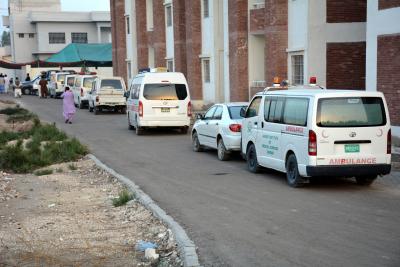
The surge in HIV cases in Pakistan is not a slow-developing public health issue but a real-time system breakdown. Children and low-risk individuals are contracting HIV not due to their behavior but through the healthcare system designed to safeguard them, as per a report. Pakistan’s leading daily Dawn highlighted two key failures contributing to this crisis. The first is the breakdown of basic infection control in many healthcare facilities. The second is the persistent reuse of syringes despite a ban on conventional disposable syringes in 2021, leading to what experts call a ‘man-made epidemic’.
Outbreaks tied to healthcare settings have emerged in various cities like Larkana, Multan, Karachi, and Taunsa. Shockingly, even one-year-old children have been infected with HIV after visiting clinics. Contaminated injections and unsafe medical practices are identified as the main culprits behind the spike in HIV cases, which are entirely preventable. However, the lack of enforcement and accountability exacerbates the situation. The editorial from Dawn pointed out the Pakistan Medical Association’s alert about falsely labeled ‘auto-disable’ syringes infiltrating the supply chain, highlighting a failure on the part of regulatory authorities.
Experts at the HIV Centre of Pakistan Institute of Medical Sciences (PIMS) have expressed alarm over the rising number of patients, especially children with HIV. They cautioned against concealing the disease and avoiding testing, emphasizing the growing risk, particularly among men. The Programme Manager of the AIDS Control Programme, Zubair Abdullah, attributed the apparent increase in cases at the PIMS HIV Centre to more individuals seeking testing. He emphasized the critical need to educate people on HIV prevention and praised the uptick in testing at various facilities as a positive development, as reported by The Express Tribune.
Data from Pakistan’s Ministry of National Health Services, Regulations, and Coordination disclosed that 189 individuals have been identified as HIV-positive since October 2025. The first 20 days of April alone saw 11 new cases reported, with more male patients than females. Additionally, cases have been detected among transgender individuals, while the detection of HIV in children remains a significant concern, according to the report.
