


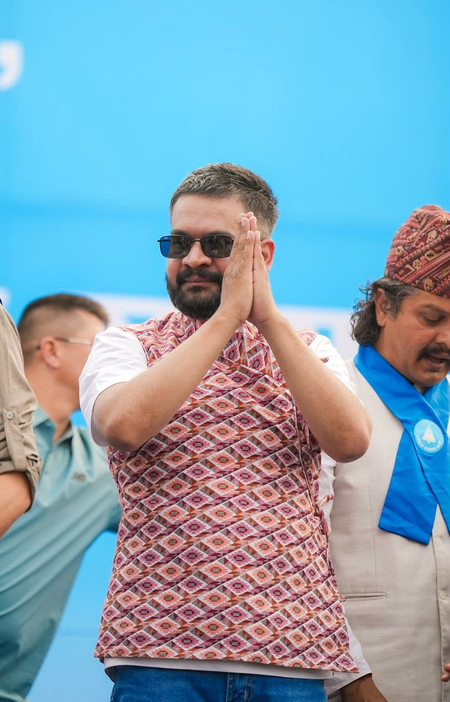
As the counting of votes concluded in 163 out of 165 electoral constituencies in Nepal’s parliamentary elections, the Rastriya Swatantra Party (RSP) emerged victorious, securing nearly 76% of the seats in the House of Representatives. Led by President Rabi Lamichhane and Prime Ministerial candidate Balen Shah, the three-and-a-half-year-old party won 125 seats, defeating heavyweight leaders from traditional political parties.
In a notable contest, Arjun Kumar Karki from the Communist Party of Nepal (Unified Marxist–Leninist) is leading against RSP candidate Mingma Sherpa in one of the remaining seats. However, a legal dispute has arisen in Dhanusa-1 constituency in Madhes province after the RSP candidate was disqualified for being blacklisted by the Credit Information Bureau of Nepal.
Former Mayor of Kathmandu Metropolitan City, Balen Shah, secured a significant victory with 68,348 votes against former Prime Minister K P Sharma Oli in Jhapa-5 constituency. The RSP is also leading in the proportional representation electoral system with over 48% of the vote share, indicating a potential two-thirds majority in the 275-member House of Representatives if the trend continues.
The RSP’s possible two-thirds majority would be a significant achievement, considering the challenges of securing even a simple majority in Nepal’s political landscape. Analysts attribute the party’s success to public discontent with established political parties’ governance and the desire for change in leadership.
